Contents (9 sections)
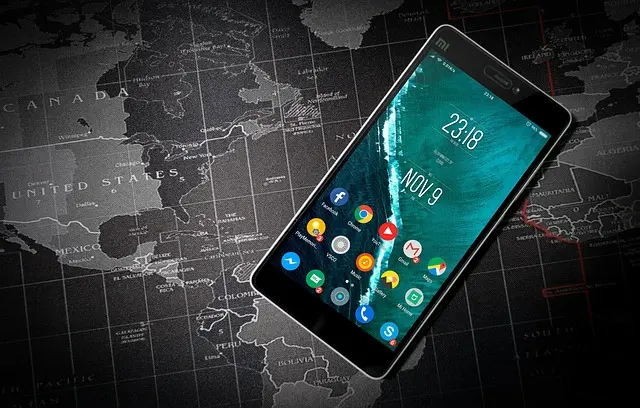
Augmented reality (AR) is gradually becoming a central part of our digital landscape, particularly in mobile technology. As we delve into 2026, our interactions with mobile devices are not just changing; they are evolving into something far more immersive and engaging. This article explores how AR is set to transform mobile usage, providing insights into emerging trends and their implications.
The Emergence of Augmented Reality in Mobile Devices
Augmented reality integrates digital information with the user’s environment in real-time, utilising mobile devices to superimpose graphics, sounds, and other sensory enhancements. This technology has rapidly developed, moving from a novelty to a necessity in many sectors, such as gaming, retail, and education. According to a 2025 report from Statista, the global augmented reality market is projected to reach $198 billion by 2025, demonstrating a growing acceptance and adoption of AR technologies.
One of the major reasons for AR's rise in mobile usage is its practicality. Users can visualise products in their homes before purchasing, as witnessed by IKEA’s AR app, which allows consumers to see how furniture will look in their living spaces. This trend not only reduces returns but enhances user satisfaction through better informed purchasing decisions.
Moreover, AR has proven beneficial in education, creating immersive learning experiences that engage students in ways traditional methods cannot. The ability to visualise complex concepts makes learning more interactive and effective.
How AR Enhances User Engagement
The user engagement afforded by augmented reality is profound. With interactive experiences now part of various applications, users are more inclined to spend time engaging with content. For instance, Snapchat and Instagram employ AR filters that allow users to transform their appearances in fun and creative ways. This social sharing aspect increases the frequency of app usage, thereby generating more data for targeted advertising.
In a survey conducted by Gartner, it was found that 74% of consumers feel more connected to brands that offer AR experiences. This connection is critical as consumers increasingly seek unique, personalised interactions with brands. As companies utilise AR to create tailored marketing campaigns, they are likely to foster stronger customer loyalty and drive sales.
To illustrate the potential, Nike has incorporated AR technology in their app to allow users to virtually ‘try on’ shoes. This innovation not only enhances the shopping experience but also capitalises on the growing trend of personalised shopping, as consumers respond positively to brands that adopt such interactive approaches.

Top Selling AR Helmet IOS Android Cellphone Used VR 3D Video VR Augmented Reality Glasses AR BOX 2.0
Alibaba UK
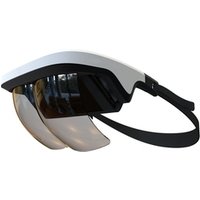
New Design Smart AR Glasses 3D Video Augmented Reality VR Glasses AR Headset for 3D Videos and Games
Alibaba UK

The Future Landscape of Mobile AR Usage
As we look ahead, the anticipated advancements in AR technology suggest profound changes in how mobile devices are used. The introduction of 5G networks facilitates faster data transmission and enhances AR applications, enabling more complex and responsive interactions. With 5G, users can experience AR with minimal latency, making real-time overlays more seamless and engaging.
Moreover, innovations in AR cloud technology are expected to enable shared AR experiences across devices, allowing multiple users to interact with the same digital environments. This networked experience paves the way for social interactions, virtual hangouts, and collaborative work environments, where users can see and interact with the same digital content simultaneously.
The global adoption of AR technology in mobile will also reshape industries beyond gaming and social media. For example, in healthcare, AR is being piloted for surgical planning and patient education. Surgeons can use AR to overlay critical information onto their field of view, dramatically improving precision during operations.
Table: Comparative Analysis of AR Applications
| Sector | Current Applications | Future Potential | User Engagement Level |
|---|---|---|---|
| Retail | Virtual try-ons | Fully immersive shopping | High |
| Education | Interactive learning apps | Collaborative classroom AR | Very High |
| Gaming | AR games (e.g., Pokémon GO) | Multi-user AR scenarios | Extremely High |
| Healthcare | Surgical overlays | Remote surgery assistance | High |
Challenges to Overcome
Despite its exciting potential, the journey of augmented reality in mobile usage is not devoid of challenges. Privacy concerns surrounding data capture are paramount, especially as AR applications often require access to personal data and images. Moreover, issues such as device compatibility and user accessibility cannot be overlooked. As AR technology continues to develop, these challenges will require careful consideration and management to ensure widespread adoption.
Additionally, companies must work on creating cost-effective AR solutions. While entry-level AR experiences are becoming affordable, the development of high-quality AR applications can still be a barrier for many businesses.
FAQs about Augmented Reality in Mobile Usage
Q1: What are the most common uses of AR in mobile technology?
A1: Common uses include gaming, retail experiences, and educational tools that provide interactive learning sessions.
Q2: How does AR benefit consumers?
A2: AR enhances the shopping experience by allowing users to visualise products in context before making a purchase, leading to better-informed decisions.
Q3: Is AR technology accessible to everyone?
A3: While many smartphones can run AR applications, access can be limited by device compatibility and the user’s understanding of technology.
Q4: What are the privacy concerns associated with AR?
A4: Privacy concerns relate to the collection of personal data, including images and location, which some users may find intrusive.

National Gallery Nalini Malani: My Reality is Different Catalogue
nationalgallery.co.uk
3D VR glasses for game controller virtual reality home gaming movie 3D video glasses optional gamepad
Alibaba UK
National Gallery Nalini Malani: My Reality is Different Catalogue
nationalgallery.co.uk
📺 For further insights:
For a deeper understanding of augmented reality technology, explore videos on platforms like YouTube by searching for "augmented reality in mobile devices 2026".
Checklist before adopting AR technology
- [ ] Evaluate the current infrastructure compatibility
- [ ] Assess potential privacy implications
- [ ] Determine your target audience's comfort with technology
- [ ] Explore available AR applications relevant to your sector
- [ ] Stay updated on AR developments in mobile technology
Glossary
| Terme | Définition |
|---|---|
| Augmented Reality | A technology that overlays digital information onto the real world, enhancing user experiences. |
| User Engagement | The level of interaction and involvement users have with an application or brand. |
| 5G Technology | The fifth generation of mobile network technology, providing higher speeds and more reliable internet access. |
As augmented reality technologies continue to evolve, keeping an eye on how they shape mobile usage can reveal exciting opportunities for personal and professional application.
We have selected several products suitable for enhancing your AR experience below. Explore our recommendations and embrace the technology that is reshaping how we interact with our world.
📺 Pour aller plus loin : augmented reality in mobile devices 2026 sur YouTube
Recommended products
Selected by our experts

China factory price cheap custom cardboard box 3d glasses cardboard vr cardboard virtual reality glasses
Alibaba UK
National Gallery Nalini Malani: My Reality is Different Catalogue
nationalgallery.co.uk
Promotion! 2019 Hot New Products 3D VR Glasses Virtual Reality 3D VR BOX With Headphone For Sale
Alibaba UK
National Gallery Nalini Malani: My Reality is Different Catalogue
nationalgallery.co.uk

Professional Cardboard VR BOX 2 Virtual Reality 3D Glasses For Cell Phone
Alibaba UK
National Gallery Nalini Malani: My Reality is Different Catalogue
nationalgallery.co.uk