Contents (16 sections)
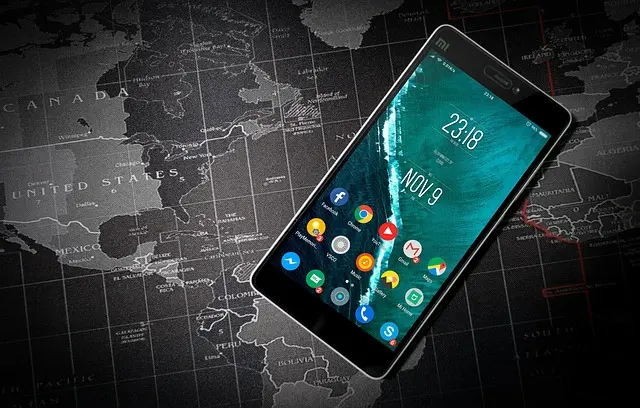
In an age where mobile technology has become ubiquitous, its influence on various aspects of our lives is undeniable. Specifically, in the realm of work, advancements in mobile technology are redefining workplace dynamics and boosting productivity like never before. This article delves into the various ways mobile technology is influencing work, the benefits and challenges it presents, and how businesses can adapt to thrive in this evolving landscape.
What is Mobile Technology?
Mobile technology encompasses a broad range of devices and applications that connect users on the go. This includes smartphones, tablets, wearable devices, and mobile applications. The proliferation of these technologies has transformed how we communicate, access information, and perform our daily tasks. According to a report by Gartner, as of 2026, an estimated 80% of employees are using mobile devices for work-related tasks.
This trend signifies a major shift from traditional office environments to more flexible work arrangements. Remote work, once an exception, has now become a norm for many professionals. The adaptation to mobile technology allows employees to work from anywhere, fostering greater work-life balance, but it also raises concerns about security and productivity.
How Mobile Technology Enhances Productivity
Mobile technology enhances productivity through various features and functionalities. For instance, cloud-based apps enable real-time collaboration, allowing team members to work together regardless of their physical location. According to McKinsey, companies that make use of mobile technology to improve communication can boost productivity by 20-25%.
Moreover, mobile devices facilitate instant communication channels. Messages can be sent and received instantly, ensuring that team members stay updated on projects and deadlines. Businesses can leverage mobile applications for project management, customer relationship management (CRM), and many other operations to streamline workflows. This versatility supports efficiency and encourages teams to work more collaboratively.
Challenges of Implementing Mobile Technology
While mobile technology presents numerous advantages, it also poses several challenges. One significant concern is cybersecurity. With sensitive data accessible on mobile devices, organizations must implement stringent security measures. According to a survey conducted by IBM, 87% of businesses have experienced a mobile security breach in the last year, highlighting the need for robust data protection strategies.
Another challenge is the potential for decreased productivity due to distractions. Employees may find themselves inundated with notifications from social media or personal messages while trying to complete work tasks. To combat this, businesses can encourage employees to adopt digital well-being practices, such as setting boundaries on personal technology use during work hours. By fostering a culture of focus and discipline, organisations can mitigate the negative impacts of mobile technology while harnessing its benefits.

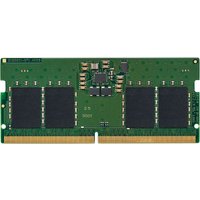
Kingston Technology ValueRAM 8 Go 1x8 Go DDR5 5600 MT/s 262-pin SO-DIMM
Topbiz FR

Data-Driven Insights: The Future of Mobile Technology in Work
Data from recent market studies indicates that the future of work will be increasingly mobile. According to Statista, the global mobile workforce is projected to reach 1.87 billion by 2026, accounting for about 42% of the total workforce. This shift towards mobile technology is driven by the demand for flexibility and efficiency in a rapidly changing business environment.
Additionally, advancements in AI and machine learning integrated into mobile applications will further enhance productivity. For instance, virtual assistants can automate mundane tasks, allowing employees to focus on high-value assignments. Furthermore, businesses that embrace mobile technology can gain a competitive edge by attracting and retaining talent seeking flexible work arrangements.
Comparison: Mobile Work vs. Traditional Office Work
To better grasp the influence of mobile technology on work, it is helpful to compare mobile work with traditional office work. Below is a comparative analysis highlighting key differences:
| Criteria | Mobile Work | Traditional Office Work | Verdict |
|---|---|---|---|
| Flexibility | Highly flexible | Limited to office hours | Mobile work is superior |
| Collaboration | Cloud-based real-time | In-person meetings | Mobile enhances collaboration |
| Productivity | Up to 25% increase | Standard increase | Mobile supports productivity |
| Work-Life Balance | Improved | Difficult to separate work | Mobile improves balance |
FAQs
What role does mobile technology play in remote work?
Mobile technology facilitates remote work by enabling remote access to company systems and enhancing communication among team members through apps and tools designed for collaboration.
How can businesses ensure mobile security?
Implementing multi-factor authentication, using secure networks, and educating employees about cybersecurity best practices can significantly bolster mobile security in the workplace.
Is mobile work more productive than traditional office work?
Many studies suggest that mobile work can enhance productivity, with employees able to work from anywhere, leading to better focus and efficiency.
What tools are essential for mobile workers?
Essential tools for mobile workers include project management apps, communication platforms, and cloud storage services, which enhance collaboration and access to documents.
📺 Resource Video
> For further insight: [The Impact of Mobile Technology on Work Dynamics], an in-depth exploration of how mobile tech reshapes the workplace. Search on YouTube: "mobile technology influencing work 2026".
Checklist Before Adopting Mobile Technology
- [ ] Assess the current infrastructure for mobile compatibility.
- [ ] Train employees on security measures.
- [ ] Select appropriate mobile applications.
- [ ] Set guidelines for mobile usage during work hours.
- [ ] Evaluate employee feedback on mobile work practices.
Glossary
| Term | Definition |
|---|---|
| Mobile Technology | Technology that allows the use of mobile devices to communicate and access data. |
| Cloud Computing | Delivery of computing services over the internet, enabling remote access. |
| Cybersecurity | The practice of protecting systems and networks from digital attacks. |
Conclusion
In summary, the influence of mobile technology on work is profound and far-reaching. As businesses continue to adopt these tools and practices, the workplace will evolve to become more dynamic, flexible, and efficient. To stay ahead, organisations must not only embrace these technologies but also address the challenges they pose. With proper strategies in place, the future of work powered by mobile technology looks promising.
Explore our curated selection of products that can enhance your mobile work experience below.
📺 Pour aller plus loin : mobile technology influencing work 2026 sur YouTube
Recommended products
Selected by our experts
Kingston Technology FURY 16GB 3200MT/s DDR4 CL20 SODIMM Impact
Topbiz FR
This product can enhance the performance of mobile devices, making it a great choice for supporting your work needs.
Kingston Technology ValueRAM 8 Go 1x8 Go DDR5 5600 MT/s 262-pin SO-DIMM
Topbiz FR
This RAM is ideal for keeping your mobile workstations fast and responsive, crucial for productivity.
Kingston Technology FURY Beast 16GB 6400MT/s DDR5 CL32 DIMM RGB EXPO
Topbiz FR
This high-performance RAM is suitable for mobile applications requiring enhanced speed and capacity.