Contents (14 sections)
Mobile technology has revolutionised the way we communicate. From the first mobile phones to the sophisticated smartphones we use today, the evolution of mobile technology has dramatically altered our communication landscape. But how exactly has this transformation occurred?
What is Mobile Technology Communication?
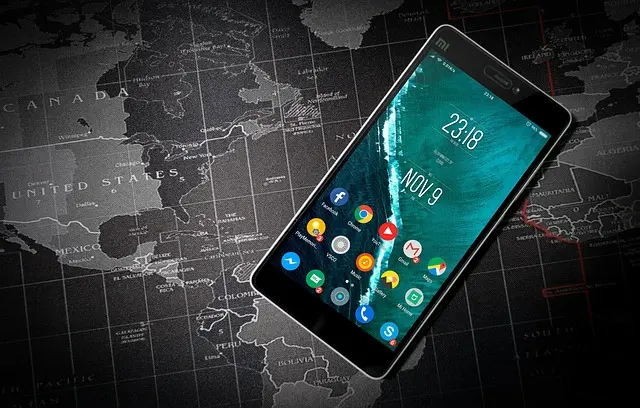
Mobile technology communication refers to any process of communication that takes place via mobile devices such as smartphones, tablets, or other handheld devices. This form of communication encompasses various methods including voice calls, text messaging, instant messaging apps, emails, and social media platforms. The emergence of mobile technology has made communication more accessible and instantaneous than ever before.
In recent years, mobile technology has contributed to a decline in traditional communication methods such as landline telephony and face-to-face meetings. According to statistics from Ofcom, over 90% of UK adults own a smartphone, highlighting the significant penetration of mobile devices in our daily lives. This shift has raised new challenges and opportunities for individuals and businesses alike, necessitating a reevaluation of how we interact.
The Role of Apps in Communication
Mobile applications have fundamentally changed how we connect. With a majority of adults using messaging and social media apps, the traditional email inbox is often overshadowed by the immediacy provided by platforms such as WhatsApp, Facebook Messenger, and Instagram. These apps allow asynchronous communication where messages can be sent and received without the need for both parties to be present simultaneously.
This change has facilitated greater flexibility in communication, enabling users to manage their interactions on their own terms. Furthermore, these platforms frequently utilize encryption and various security measures, enhancing the privacy of conversations. Statistics show that messaging apps have overtaken social networks in popularity, with Statista reporting that as of 2026, over 2.8 billion users are on messaging apps globally. This monumental growth expresses not only a shift in usage patterns but also a transformation in expectations around communication speed and style.
Comparative Analysis of Communication Channels
To understand the impact of mobile technology on communication, it's useful to compare traditional methods with modern digital apps. Below is a comparative analysis:
| Communication Method | Speed | Accessibility | Cost | Security |
|---|---|---|---|---|
| Landline Phone | Slow | Limited | High (call charges) | Moderate |
| Text Messaging | Instant | High | Low (data plan) | High (encryption) |
| Social Media | Instant | Very High | Free (ad-supported) | Variable |
| Moderate to Slow | High | Low (email service) | Moderate |
Analysing Trends and Data
The rise of mobile technology has led to transformative trends in communication. In 2026, Pew Research revealed that 80% of people prefer using their phones for communication rather than face-to-face meetings. The increase in remote work has also played a crucial role in this shift, as mobile technology allows seamless connectivity regardless of geographical barriers.
Moreover, psychological studies suggest that mobile communication reduces social anxiety for many users, as it provides a comfort zone for initiating conversations. Individuals are more likely to express thoughts and emotions through mobile text rather than in person, which can foster more authentic interactions.
📺 Resource Video
> 📺 For further exploration: Discover how mobile apps have changed communication styles, a thorough analysis of mobile communications. Search on YouTube: "The impact of mobile technology on communication".
Expert Insights
> 💡 Expert Opinion: As an expert in digital communications, I’ve witnessed firsthand how mobile technology has condensed communication timeframes significantly. In talking with various businesses, many report increased customer satisfaction through faster response times enabled by mobile apps.
Businesses today must adapt to these rapid changes in communication preferences to improve engagement with clients and customers. Adopting mobile-optimised solutions is now more important than ever.
Frequently Asked Questions (FAQ)
What are the advantages of mobile technology in communication?
Mobile technology offers speed, accessibility, and convenience. Users can connect instantly from anywhere, fostering more dynamic conversations.
How has mobile technology impacted traditional communication?
It has reduced dependency on traditional methods like landline phones and face-to-face meetings, making communication instantaneous and flexible.
Which apps are most popular for communication?
Messaging apps like WhatsApp, Facebook Messenger, and social media platforms such as Instagram are currently the most used for communication.
What is the future of mobile communication?
The future will likely see enhanced AR and VR integration, leading to more immersive communication experiences while maintaining the convenience of mobile platforms.
Glossary
| Terme | Définition |
|---|---|
| Mobile Apps | Software applications designed for mobile devices. |
| Encryption | The conversion of data into a code to prevent unauthorised access. |
| Remote Work | Working from a location other than a traditional office. |
Checklist before introducing mobile communication tools
- [ ] Assess current communication methods
- [ ] Identify pain points in communication
- [ ] Research potential mobile solutions
- [ ] Engage staff for feedback
- [ ] Implement with training sessions
In conclusion, the sphere of communication is changing due to advancements in mobile technology. Embracing these changes not only improves personal interactions but is crucial for businesses aiming to remain competitive in an increasingly digital landscape. Engage with the tools available, adapt and flourish!
📺 Pour aller plus loin : The impact of mobile technology on communication sur YouTube