Contents (12 sections)
In recent years, mobile technology has dramatically evolved, becoming an integral part of our daily lives. As we look towards the future, it's essential to understand what advancements are on the horizon and how they will reshape our interaction with the world around us. This article explores key trends in the future of mobile technology that are set to have a profound impact on our lives in the coming years.
Key Trends Transforming Mobile Technology
1. 5G Connectivity Becoming Ubiquitous
The rollout of 5G networks continues to expand globally, promising significantly faster data transfer speeds and lower latency compared to current 4G technology. 5G is not just about speed; it enables a more reliable connection, which is vital for supporting the rise of Internet of Things (IoT) devices. According to a report by Gartner, by 2026, it is estimated that 75% of all mobile traffic will be delivered via 5G networks.
The implications of this are profound. For instance, real-time applications, such as augmented reality (AR) and virtual reality (VR), will become increasingly viable on mobile devices, enhancing gaming, training, and shopping experiences. Additionally, urban smart infrastructure, powered by 5G, could revolutionise public transportation and energy management.
💡 Expert Insight: With the widespread adoption of 5G, institutions are likely to see improved connectivity solutions, enabling remote work and education to become more efficient and productive.
2. Integration of Artificial Intelligence
Artificial Intelligence (AI) is increasingly embedded within mobile technology, enhancing user experience through personalisation and automation. Machine learning algorithms can predict user behaviour, optimise system performance, and enhance security through advanced biometric authentication methods such as facial recognition and fingerprint scanning.
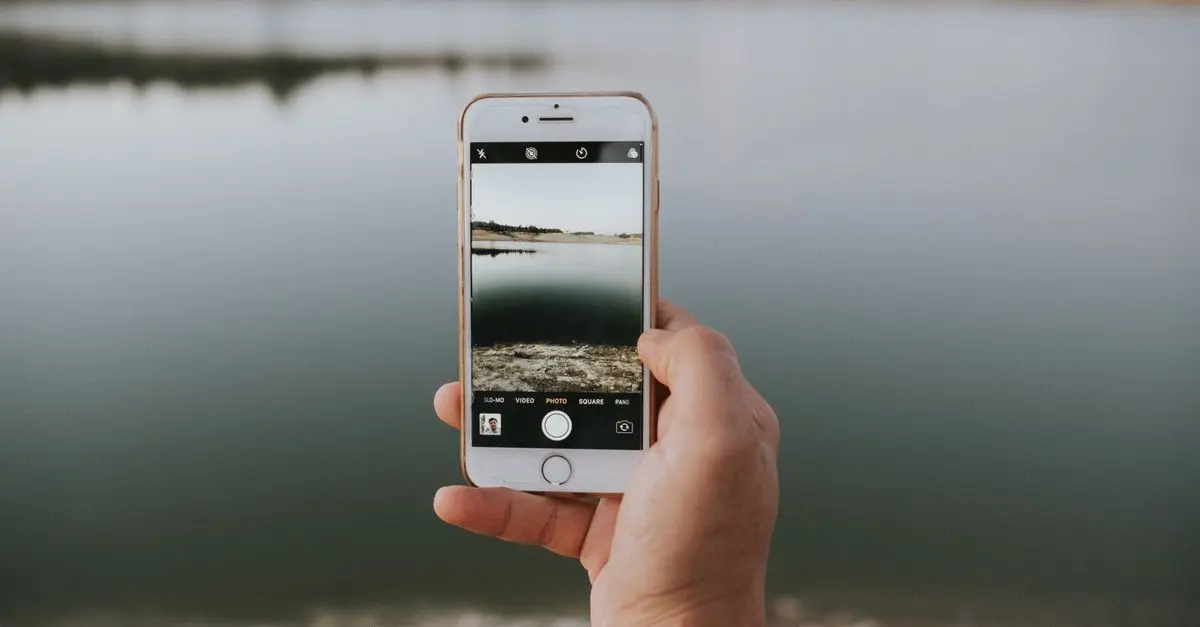
For example, smartphones are now equipped with AI-driven cameras that optimise photo quality in real-time, ensuring the best possible images in various lighting conditions. By 2026, reports suggest that over 80% of mobile applications will incorporate some form of AI, allowing for more intuitive user interfaces and smarter app features.
💡 Expert Insight: AI's integration into mobile devices not only improves user experience but also has the potential to safeguard against evolving security threats vividly.
3. Advancements in Battery Technology
As mobile devices become more powerful, demand for energy efficiency and longevity is at an all-time high. In 2026, we anticipate a significant shift toward the use of solid-state batteries, offering greater energy density compared to traditional lithium-ion batteries. These batteries not only require less space but also charge faster and provide extended life cycles.
A report from BloombergNEF forecasts that by 2026, the average smartphone battery could last over two days with regular usage, thereby significantly reducing the daily need for charging. Additionally, advancements in wireless charging technology are expected to allow for more convenient charging solutions, such as charging from a distance and through various surfaces.
💡 Expert Insight: The increase in battery efficiency will change consumer behaviour, as users will rely less on power banks and charging stations, enhancing mobility while using their devices.
4. Enhanced Mobile Security Solutions
As mobile technology becomes more ingrained in our lives, mobile security is more crucial than ever. With the advent of personal data breaches and cyber threats, advancements in mobile security solutions are at the forefront of development.
Expect to see trends like multi-factor authentication becoming standard practice, as well as integrated security features powered by AI. By 2026, a study by McKinsey indicates that security features within mobile devices could anticipate and mitigate threats preemptively. Moreover, user education about cybersecurity in daily mobile use will likely increase as people become more aware of the risks involved.
💡 Expert Insight: For individuals and businesses alike, prioritising mobile security will not just protect data but also build consumer trust in digital transactions and communications.
5. Rise of Augmented Reality (AR) Applications
The development of AR applications is set to transform how consumers interact with the world through their mobile devices. By overlaying digital content onto the physical world, AR technology offers practical applications in various sectors, including retail, education, and healthcare.
For example, retail apps allow customers to visualise furniture in their homes before purchase, enhancing the shopping experience. As per Statista, the global AR market is projected to exceed $198 billion by 2026, highlighting the growing consumer and business investment in this technology.
💡 Expert Insight: Companies that invest in AR capabilities are likely to see a competitive advantage, as immersive experiences generate higher customer engagement and sales output.
6. Greater Focus on Privacy and Data Protection
As mobile technology continues to advance, so does the importance of privacy and data security. Consumers are becoming increasingly aware of how their data is being collected and used. In response, mobile technology companies are implementing more stringent data protection measures. This includes more transparent data collection practices and the development of privacy-centric applications.
By 2026, we expect to see regulations around data privacy become more robust, influencing how companies operate and manage user data. As reported by Deloitte, approximately 73% of consumers express a greater willingness to share their data when they feel their privacy is protected, indicating a shift towards a more balanced approach to data handling.
💡 Expert Insight: Companies prioritising data security and transparency will not only adhere to regulations but also gain consumer loyalty in an increasingly competitive landscape.
📺 Resource Vidéo
> 📺 Pour aller plus loin : The Future of Mobile Technology: What's Next?, une analyse complète de l'évolution des tendances technologiques. Recherchez sur YouTube : `future of mobile technology trends 2026`.
Glossaire
| Terme | Définition |
|---|---|
| 5G | Cinquième génération de technologie mobile, permettant des vitesses de données plus rapides et une connexion plus stable. |
| IoT | Internet des Objets, réseau interconnecté d'appareils électroniques qui échangent des données. |
| AR | Réalité augmentée, technologie qui superpose des informations numériques sur le monde réel. |
Checklist avant achat
- [ ] Vérifier la compatibilité 5G de l'appareil
- [ ] Comparer les fonctionnalités de sécurité
- [ ] Contrôler l'autonomie de la batterie
- [ ] Analyser les options d'IA disponibles
- [ ] Examiner l'intégration AR possible
🧠 Quiz rapide : Quelle technologie mobile vous enthousiasme le plus ?
- A) 5G
- B) AI
- C) AR
Réponse : C — La réalité augmentée transforme notre interaction avec le monde.
📺 Pour aller plus loin : Gartner's Top Tech Trends for 2026 | Live From IT Symposium/Xpo sur YouTube