Contents (16 sections)
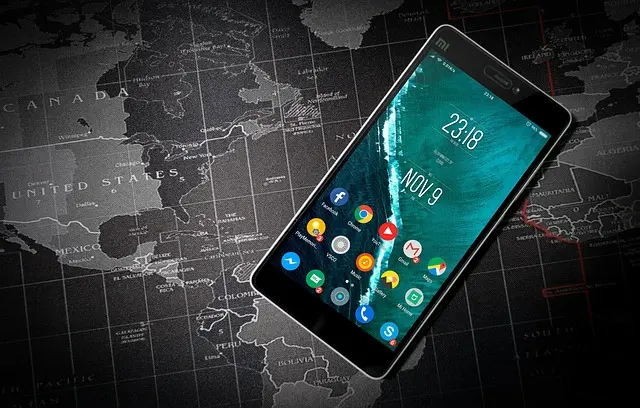
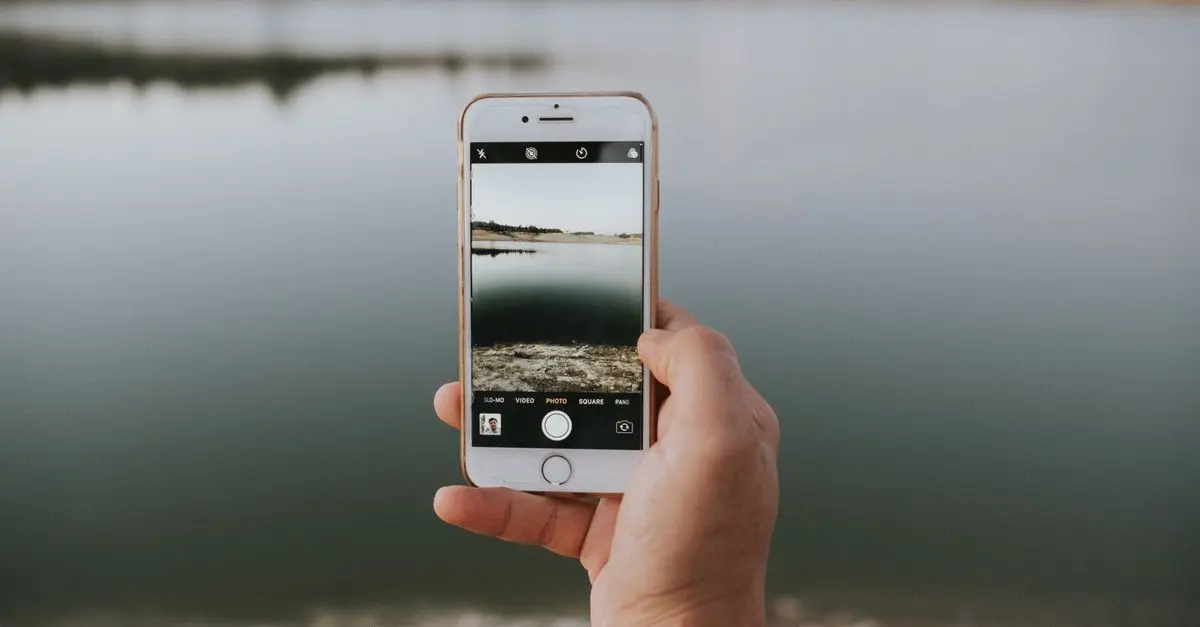
In recent years, smartphone health apps have become pivotal in personal health management. With the increasing prevalence of smartphones, these applications not only promote fitness but also assist in chronic disease management, mental health support, and overall wellness. The future of these applications is bright, with several trends set to redefine how we manage our health.
Trends Shaping the Future of Smartphone Health Apps
1. Integration with Wearable Technology
The integration of smartphone health apps with wearable technology is set to revolutionise personal health monitoring. Devices such as smartwatches and fitness trackers collect valuable health data, including heart rate, sleep patterns, and physical activity. According to a report by Statista, the wearable technology market is projected to reach over £60 billion by 2026. This data is seamlessly transmitted to health apps on smartphones, enhancing user experience through comprehensive health tracking.
💡 Expert Opinion: “The synergy between wearables and health apps fosters a more holistic view of a person’s health, allowing for better insights and data-driven decisions.” - Dr. Emily Carter, Health Tech Analyst.
2. Personalised Health Solutions
The demand for personalisation in health applications continues to grow, driven by advancements in artificial intelligence (AI). By analysing user data, health apps can provide tailored recommendations for diet, exercise, and wellness practices. For instance, MyFitnessPal uses user data to generate personalised meal and activity plans, leading to higher user engagement and improved health outcomes. Furthermore, personalisation leads to improved adherence to health recommendations, with user engagement reportedly rising by 40% in apps that leverage AI.
3. Mental Health Integration
The growing awareness of mental health has prompted the integration of mental wellness features in smartphone health apps. Apps like Headspace and Calm provide users with resources for managing stress and anxiety, utilising guided meditations and mindfulness exercises. Recent surveys indicate that over 30% of users have turned to digital platforms for mental health support, particularly during challenging periods like the pandemic. In 2026, we can expect to see more comprehensive mental health features, such as AI-driven chatbots that offer 24/7 support.
4. Data Privacy and Security Innovations
As health apps become more sophisticated, the importance of data privacy and security cannot be overstated. With regulations such as GDPR in place, developers are focusing on how to protect sensitive health information. Future apps will likely include end-to-end encryption and blockchain technology to ensure users’ data remains secure. A study by Pew Research revealed that 81% of people feel they have little to no control over the data collected about them online. Addressing these privacy concerns will be paramount for user trust.
5. Gamification of Health and Fitness
To increase user engagement, many applications are adopting gamification techniques that enhance user experience while encouraging healthy behaviour changes. Apps like Zombies, Run! and Fitocracy make fitness activities more enjoyable through rewarding systems, challenges, and competition. As digital gaming becomes increasingly popular, integrating these elements into health apps can significantly boost motivation levels. According to research, gamification can improve workout consistency by up to 47%.
6. Telehealth Integration
The rising acceptance of telehealth has spurred the integration of telemedicine features into health apps. Users can now consult healthcare professionals directly through the app, making it easier to get advice and prescriptions. Studies indicate that approximately 76% of patients prefer using telehealth services where possible, highlighting the necessity for apps to adapt to this growing trend. In 2026, we anticipate a more pronounced merger between health monitoring and virtual consultations, streamlining care management for chronic conditions.
7. Social Features for Community Support
Creating a community within health apps enables users to connect with peers for mutual motivation and support. Features such as forums, accountability groups, and social sharing of milestones contribute to positive reinforcement. Research has shown that social support can lead to a 20-30% increase in adherence to health goals. As social interaction boosts user satisfaction, more apps will likely incorporate these supportive features.
8. Enhanced User Experience through AR and VR
Utilising Augmented Reality (AR) and Virtual Reality (VR) enhances engagement in smartphone health apps. For instance, AR can provide interactive workouts, while VR can create immersive health education experiences. These technologies not only make learning about health more engaging but also enhance physical training sessions. Projections suggest that the global AR and VR market in the health sector will exceed £10 billion by 2026, indicating significant potential for growth.
📺 Resource Video
> 📺 For further insight: Exploring New Features in Health Apps for 2026, a detailed analysis of emerging technologies in health applications. Search for: emerging trends in smartphone health apps 2026.
Comparison Table: Smartphone Health Apps by Feature
| Feature | App A | App B | App C | Verdict |
|---|---|---|---|---|
| Wearable Integration | Yes | Yes | No | App A & B are top choices |
| Personalisation | High | Medium | Low | App A leads in personalisation |
| Mental Health Support | Limited | Yes | Yes | App B & C are best for mental health |
| Telehealth Features | Yes | No | Yes | App A and C provide telehealth |
Glossary
| Terme | Définition |
|---|---|
| Wearable Technology | Devices worn on the body that collect health data. |
| Gamification | The application of game elements to enhance user engagement. |
| Telehealth | The provision of health care remotely using digital communication tools. |
Conclusion
As smartphone health apps continue to evolve in 2026, understanding these trends allows us to make informed choices about our health management tools. Embracing these innovations can lead to better health outcomes and enhance our overall well-being.
Your engagement with these evolving applications can transform your health journey, whether through improved fitness, mental well-being, or comprehensive health tracking. Stay informed and make the most of the future of health technology.
📺 Pour aller plus loin : emerging trends in smartphone health apps 2026 sur YouTube