Contents (21 sections)
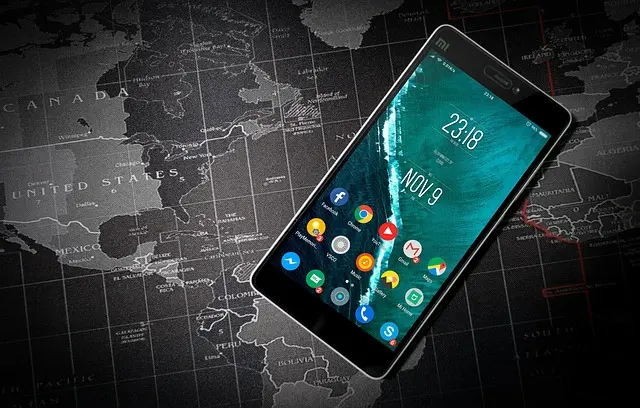
Mobile e-commerce has seen exponential growth over the past few years, becoming a pivotal aspect of the retail landscape. By 2026, the trend has only intensified, reflecting changing consumer behaviours and advancements in technology. This article delves into the prevalent mobile e-commerce trends shaping the way we shop today.
What is Mobile E-commerce?
Mobile e-commerce, or m-commerce, refers to the buying and selling of goods through mobile devices. This encompasses any transaction conducted via smartphones or tablets, and its significance has dramatically escalated as mobile ownership increases. According to industry reports, over 70% of online sales are now conducted via mobile devices, reflecting the changing paradigms of consumer shopping behaviour. The convenience offered by mobile devices, coupled with enhanced technology such as 4G and 5G networks, has made m-commerce not just a trend but a necessity for retailers wanting to engage with their customers effectively.
The seamless integration of mobile applications, user-friendly interfaces, and various payment options has led to higher consumer satisfaction. Retailers find they can leverage mobile platforms to market their products in real-time, making them an essential tool for modern commerce. More than mere convenience, mobile e-commerce showcases the future of retail, suggesting a shift in how businesses will operate moving forward.


Current Trends in Mobile E-commerce
As of 2026, several dominating trends have emerged in mobile e-commerce, each with implications for the future of retail.
1. Enhanced Personalisation
Personalisation remains a key player in mobile e-commerce. Retailers are investing heavily in AI-driven algorithms to tailor user experiences, suggesting products based on past purchases or browsing habits. This strategy not only boosts customer satisfaction but has shown to increase conversion rates by up to 30% according to studies from Magento. For instance, platforms like Amazon and ASOS leverage user data to provide tailored shopping experiences, resulting in higher engagement and sales volumes.
2. Augmented Reality (AR) Integration
The integration of AR technologies is transforming how consumers interact with products before purchasing. By allowing customers to visualise products in their environment using their mobile devices, AR significantly enhances the buying experience. Brands such as IKEA have pioneered this approach, enabling users to see how furniture fits into their homes, leading to increased purchase confidence. As AR becomes more mainstream, retailers who harness this technology will likely see a marked uplift in sales.
3. Voice Commerce Accessibility
With advances in voice recognition technologies, voice commerce has emerged as a growing influence in the mobile e-commerce sector. According to Statista, the market for voice commerce is projected to reach $40 billion by 2026. Users can now engage in hands-free shopping using devices like Google Home and Amazon Alexa, which streamline the purchasing process. Brands that optimise their services for voice search are poised to capture market share as this trend continues to develop.
4. Subscription-Based Models
More merchants embrace subscription-based models to create consistent revenue streams and enhance customer loyalty. For example, services like Spotify and Netflix have shown the power of subscriptions, prompting various retailers to adopt similar methods. This trend ensures that customers receive regular product deliveries, engaging them and making purchasing decisions easier.
5. Social Commerce Growth
The intersection of social media and e-commerce is profoundly impacting shopping behaviours. Platforms such as Instagram and TikTok allow users to purchase products directly through the app, demonstrating a significant shift in how consumers discover and buy products. A survey by eMarketer indicates that 60% of users have purchased an item they saw on social media. Retailers leveraging these platforms can tap into a broader audience, thus enhancing their visibility and sales opportunities.
6. Sustainability Practices
Consumers increasingly prioritise sustainability when choosing where to shop, and mobile e-commerce platforms must mirror these values to maintain relevance. Many brands are now highlighting eco-friendly practices and products directly within their mobile applications. Reports suggest that over 50% of millennials prefer to purchase from brands that champion sustainability, highlighting a crucial factor in consumer purchasing decisions.
Comparative Analysis of Mobile Payment Solutions
Payment solutions are critical in mobile e-commerce, and consumers have numerous options available. Below is a comparison of popular mobile payment methods based on user preferences and functionalities.
| Payment Solution | Ease of Use | Security | Popularity | Integration |
|---|---|---|---|---|
| Apple Pay | High | High | High | Easy |
| Google Pay | High | High | Medium | Easy |
| PayPal Mobile | Medium | High | High | Moderate |
| Amazon Pay | High | High | Medium | Moderate |
Statistical Insights into Mobile Shopping
The mobile shopping landscape is rich with data, underlining the growing importance of mobile e-commerce. According to various industry analyses:
- Retail mobile apps account for more than 70% of e-commerce sales in 2026.
- 30% of shoppers report using mobile devices to research products before making a purchase.
- The global mobile commerce market is projected to reach approximately £1.8 trillion in 2026, up from £1.3 trillion in 2025.
These statistics indicate not only the popularity of m-commerce but also the essential role it plays in today's retail economy.
Frequently Asked Questions
What is mobile e-commerce?
Mobile e-commerce refers to transactions conducted via mobile devices, enhancing convenience for consumers.
Why is personalisation important in mobile e-commerce?
Personalisation increases customer engagement and conversion rates by tailoring experiences to individual needs.
How can retailers leverage social media for e-commerce?
Retailers can utilise social platforms to showcase products and enable purchasing directly through the app.
What payment options are best for mobile e-commerce?
Popular options include Apple Pay, Google Pay, and PayPal due to their ease of use and security features.

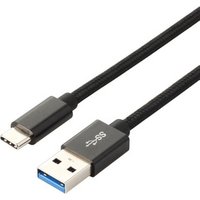
USB 3.0 Type A to Type C Cable for Amazon Top Seller Braided Android mobile phone charging cable
Alibaba UK
Conclusion and Call to Action
As we witness the evolution of mobile e-commerce, it is evident that innovation and consumer preferences dictate market trends. Retailers must adapt to these changes to stay relevant and competitive. For those looking to enhance their mobile shopping experience, we have selected several products suitable for your e-commerce needs. Discover our recommendations below and stay ahead of the curve in the mobile commerce landscape.
Products Recommended
- - - ## Glossaire
| Terme | Définition |
|---|---|
| Mobile E-commerce | Buying and selling through mobile devices, integrating various technologies into retail. |
| Personalisation | Tailoring user experiences based on previous behaviours and preferences. |
| Augmented Reality | Technology enabling users to interact with products virtually before purchasing. |
Checklist avant achat
- [ ] Vérifier que les remplissages de données clients sont clairs.
- [ ] Comparer les options de paiement disponibles.
- [ ] Confirmer que l'application mobile est facile à naviguer.
- [ ] S'assurer que les méthodes de livraison sont diversifiées.
- [ ] Étudier les retours d'expérience des utilisateurs sur le produit.
🧠 Quiz rapide : Quel est le moyen de paiement le plus utilisé dans l'e-commerce mobile ?
- A) Apple Pay
- B) Google Pay
- C) PayPal
Réponse : A — Selon des études, Apple Pay a démontré une croissance significative dans les transactions mobiles.
📺 Pour aller plus loin : latest mobile e-commerce trends 2026 sur YouTube
Recommended products
Selected by our experts

StarTech.com 4 Bay Aluminum Trayless Hot Swap Mobile Rack Backplane for 3.5in SAS II/SATA III - 6 Gbps HDD
Back to the Office

StarTech.com 4-bay mobile rack backplane for 2.5in SATA/SAS drives
Back to the Office