Contents (22 sections)
Mobile payments have rapidly transformed the financial landscape, fundamentally changing how consumers and businesses conduct transactions. As we step into 2026, it’s imperative to understand the emerging trends that are set to shape the future of mobile payments. This article will explore several key developments that promise to enhance user experience, security, and convenience in mobile transactions.
The Rise of Contactless Payments
What is Driving the Shift?
Contactless payments, using Near Field Communication (NFC) technology, have gained significant traction since their introduction. By 2026, it’s anticipated that nearly 75% of UK consumers will prefer contactless methods over traditional payment types. The COVID-19 pandemic accelerated this trend, as safety concerns encouraged both consumers and retailers to adopt contactless payment systems rapidly. According to a report from UK Finance, contactless payments increased by 12% from 2025 to 2026, demonstrating their growing acceptance.
Importance for Businesses
For businesses, integrating contactless payment systems is not just about keeping up with trends; it’s about optimising customer satisfaction and operational efficiency. Retailers that implement contactless payments see increased transaction speeds, reduced queue times, and often higher sales volumes as a result of a seamless checkout experience. Moreover, the infrastructure required for such payment methods is becoming more accessible and affordable, allowing even small businesses to join the movement.
Enhanced Security Measures
Tackling Concerns Around Fraud
Security remains a primary concern in the realm of mobile payments. As technology evolves, so do the tactics of cybercriminals. To tackle these challenges, we can expect to see enhanced security measures integrated into mobile payment systems by 2026. Biometric authentication methods, such as facial recognition and fingerprint scanning, are already being adopted widely and forecasted to become standard features in all mobile payment applications.
Predictions for the Future
Statistics show a staggering 30% reduction in payment fraud attributed to the implementation of biometric systems in 2025, as reported by the National Cyber Security Centre. As mobile wallet providers further enhance the security of their platforms, consumers can confidently engage in transactions knowing their personal information is well-protected, which in turn will encourage greater adoption of mobile payment technologies.

CIW Data Analyst Specialist Online Training with Live Labs and Exam (1D0-622)
Learning 24/7

Apple iPhone 13 Capacity: 128GB Colour: Midnight Condition: Excellent - Midnight
ur.co.uk

The Impact of Cryptocurrency
Shaping the Future of Transactions
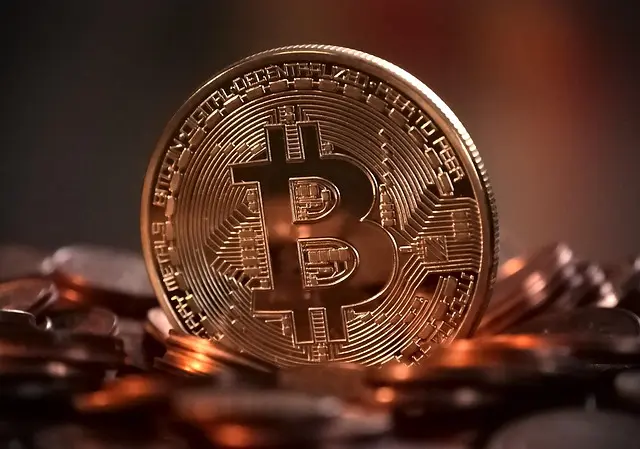
Cryptocurrency is gaining considerable popularity as an alternative payment method in 2026. Major retailers are beginning to accept Bitcoin and other cryptocurrencies to attract a tech-savvy consumer base. According to CoinMarketCap, cryptocurrency transactions surged by over 20% in retail sectors from 2025, indicating a shift towards decentralised currencies in mobile payments.
Advantages and Challenges
The use of cryptocurrency in mobile payments poses several advantages, including lower transaction fees and the elimination of chargebacks. However, businesses also face challenges, particularly concerning volatility and regulatory scrutiny. As central banks explore issuing Central Bank Digital Currencies (CBDCs), companies that adapt to this new payment landscape will likely lead the market.
Integration of Artificial Intelligence
Revolutionising User Experience
Artificial intelligence (AI) is making waves in mobile payments through personalisation and automation. In 2026, we can expect AI-driven systems to anticipate consumer preferences and offer tailored payment solutions. According to Gartner, businesses integrating AI into their transaction systems can expect a 25% increase in customer retention rates.
Predictive Analysis and Fraud Detection
AI technology also plays a crucial role in fraud detection. Machine learning algorithms can analyse transaction patterns and alert users of suspicious activity almost instantaneously. This not only enhances security but also reinforces consumer trust in mobile payment platforms, paving the way for broader adoption.
Comparative Analysis of Payment Methods
| Criteria | Contactless Payments | Cryptocurrency Payments | Traditional Credit/Debit Cards | Mobile Wallets |
|---|---|---|---|---|
| Transaction Speed | Very fast | Moderate | Fast | Very fast |
| Security | High (NFC and Biometric) | Moderate (volatility risk) | Medium (potential for breaches) | High (encrypted transactions) |
| Fees | Low | Low to High (depends on network) | Moderate | Varies (depends on provider) |
| User Experience | Seamless | Complex (wallet management) | Familiar | Customisable |
What are mobile payments?
Mobile payments refer to transactions made via smartphone apps or devices, allowing users to pay for goods and services electronically.
Are mobile payments secure?
Yes, mobile payments use advanced security features such as encryption, biometric authentication, and tokenisation to protect user data.
How will cryptocurrencies affect mobile payments?
Cryptocurrencies offer lower transaction fees, faster payment processing, and cater to a growing demographic seeking alternative payment methods.
What is AI's role in mobile payments?
AI enhances mobile payments by personalising user experiences, predicting customer behaviours, and improving fraud detection.
Glossaire
| Terme | Définition |
|---|---|
| NFC | Technologie permettant d'effectuer des paiements sans contact via des appareils compatibles. |
| Biometric | Un moyen d'authentification qui utilise des caractéristiques uniques telles que les empreintes digitales ou la reconnaissance faciale. |
| Cryptocurrency | Une forme de monnaie numérique qui utilise la cryptographie pour sécuriser les transactions et contrôler la création de nouvelles unités. |
Apple iPhone 13 Capacity: 256GB Colour: Midnight Condition: Excellent - Midnight
ur.co.uk


Checklist avant achat
- [ ] Vérifiez que votre téléphone est compatible avec les paiements mobiles.
- [ ] Recherchez des options de sécurité supplémentaires pour votre application.
- [ ] Comparez les frais associés à différents services de paiement.
- [ ] Consultez les avis des utilisateurs sur la fiabilité du service choisi.
- [ ] Assurez-vous que le service propose des options de support clientèle adaptées.
📺 Ressource Vidéo
> 📺 Pour aller plus loin : Mobile Payments Explained 2026, une analyse complète de l’évolution des paiements mobiles. Recherchez sur YouTube : "mobile payments trends 2026".
In conclusion, the future of mobile payments is not just about technology; it is about enhancing user experience, improving security, and adapting to the evolving preferences of consumers. By staying informed on these advancements, users can make better decisions and leverage the benefits offered in this dynamic landscape. Explore our recommended products below that complement your mobile payment experience!
📺 Pour aller plus loin : mobile payments trends 2026 sur YouTube
Recommended products
Selected by our experts

Zebra KC50 5430 2.1 GHz 39.6 cm (15.6") 1080 x 1920 pixels Touchscreen
Quzo UK

H&N Future Beds (Pink (with Mattress), 5ft King (with 4 Drawer)) DIVAN BEDS WITH MATTRESS & HEAD
onbuy.com


H&N Future Beds (Black (with Mattress), 6ft Super King (with 2 Drawer)) DIVAN BEDS WITH MATTRESS
onbuy.com

Unitech EA660 (3rd Gen) handheld mobile computer 15.2 cm (6") 2160 x 1080 pixels Touchscreen 270 g Black
Quzo UK

H&N Future Beds (Pink (No Mattress), 5ft King (with 2 Drawer)) DIVAN BEDS WITH MATTRESS & HEADBO
onbuy.com