Contents (11 sections)
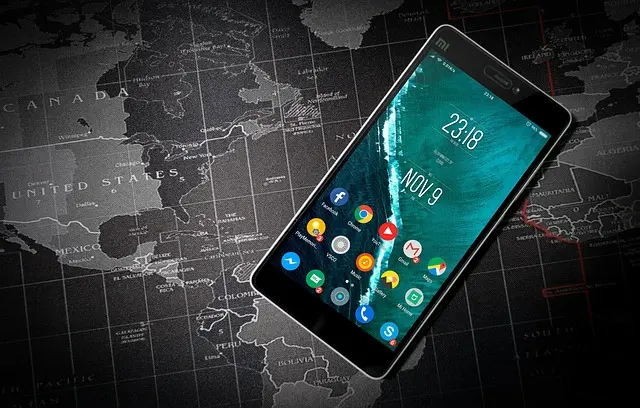
Mobile technology has evolved rapidly, significantly impacting how we communicate and interact with the digital world. With advancements occurring at breakneck speed, understanding the latest advances in mobile technology is essential for consumers and businesses alike. This article explores the most important innovations shaping the future of mobile technology, looking at their implications and potentials for the industry.
The Rise of 5G and the Future of Connectivity
5G technology is arguably one of the most significant recent developments in mobile technology. By offering higher speeds and lower latency, 5G not only enhances mobile internet experiences but also facilitates the growth of smart cities and the Internet of Things (IoT). According to the latest studies, 5G networks are expected to cover up to 40% of the global population by 2026. This capability will revolutionise mobile applications and services, enabling instantaneous communication between devices and providing users with seamless access to information.
One notable example is the expansion of augmented and virtual reality (AR/VR) experiences, powered by 5G. These technologies need substantial bandwidth to function optimally, making them more accessible with the implementation of 5G. These enhancements will see the emergence of immersive gaming experiences as well as innovative applications in fields like education and healthcare.
AI Integration in Mobile Technology
Artificial Intelligence (AI) has begun to integrate with mobile technology significantly. In 2026, we are witnessing AI algorithms being used to enhance user experience through voice recognition, personalised content, and predictive analytics. Mobile devices equipped with AI are now capable of learning user behaviours, enabling them to tailor services and recommendations to individual preferences. For instance, AI-driven digital assistants are becoming more sophisticated, making interaction with devices more intuitive.
Additionally, businesses are leveraging AI for data analysis, allowing them to understand consumer behaviour through insights gathered from mobile usage patterns. This insightful data can inform marketing strategies and product development, creating a further need for innovative AI-driven applications in mobile tech.


Foldable Devices: A New Era of Portability
Foldable smartphones have made their debut, marking a significant change in mobile technology design. These devices offer the flexibility of having a larger screen without significantly increasing the device's footprint, allowing for more immersive media consumption and productivity on-the-go. By 2026, it’s projected that foldable devices will account for around 30% of the premium smartphone market. This development opens new avenues for mobile applications and user interfaces, necessitating that developers adapt their software to take full advantage of this new form factor.
With their dual-screen capabilities, users can multitask more effectively, running multiple applications simultaneously. Company strategies increasingly focus on enhancing the user experience on foldable devices, which could dictate the direction of smartphone design in the coming years.
Enhanced Mobile Security Features
As mobile technology becomes more integrated into all facets of life, the need for robust security measures has never been higher. In 2026, advancements in mobile security features, like biometric authentication and end-to-end encryption, are set to become standard practice. For instance, many smartphones now include facial recognition and fingerprint scanning, providing secure access to devices and sensitive information.
Moreover, according to UFC-Que Choisir, mobile fraud incidents have increased by 76% over the past year, underscoring the importance of these technological advancements. Improved security protocols, coupled with AI-driven threat detection, are becoming critical components of mobile operating systems, thus ensuring that user data remains protected.
Sustainability in Mobile Technology
More than ever, consumers are becoming aware of the environmental impact of their technologies. As a result, sustainable practices in mobile technology development are growing in importance. Companies are focusing on creating devices with eco-friendly materials and implementing take-back schemes to recycle old devices. By 2026, it is predicted that at least 50% of smartphone manufacturers will use recycled materials in their product lines.
This shift towards sustainable technology will help address the growing concern around electronic waste. Furthermore, sustainable practices extend beyond physical products; software can also adopt energy-efficient algorithms, contributing to a greener digital ecosystem.
Conclusion
The future of mobile technology in 2026 is shaping up to be dynamic, driven by 5G, AI, innovative designs, enhanced security measures, and a focus on sustainability. As these trends unfold, consumers and businesses must adapt to harness the full potential of these advancements. Staying informed about these technological shifts will empower users to make knowledgeable decisions and enhance their experiences in an increasingly mobile-centric world.
📺 Resource Video
For further insights on mobile technology innovations, search for: "latest advances in mobile technology 2026".

ASUS GT-AXE11000 wireless router Gigabit Ethernet Tri-band (2.4 GHz / 5 GHz / 6 GHz) Black
Quzo UK

ASUS RT-BE88U wireless router 10 Gigabit Ethernet Dual-band (2.4 GHz / 5 GHz) Black Grey
Quzo UK

ASUS ZenWiFi BQ16 Tri-band (2.4 GHz / 5 GHz / 6 GHz) Wi-Fi 7 (802.11be) White 3 Internal
Quzo UK
Glossary
| Terme | Définition |
|---|---|
| 5G | La cinquième génération de réseaux mobiles, offrant des débits de données plus rapides et une latence réduite. |
| IoT | L'Internet des objets, un réseau d'appareils physiques connectés à Internet, capable d'échanger des données. |
| AI | Intelligence artificielle, permettant aux machines d'effectuer des tâches qui nécessitent une cognition humaine. |
Checklist avant achat
- [ ] Vérifier la compatibilité 5G
- [ ] Examiner les fonctionnalités AI d'assistance
- [ ] Considérer les dimensions et la flexibilité des appareils pliables
- [ ] Évaluer les options de sécurité intégrées
- [ ] Prendre en compte les pratiques durables du fabricant
📺 Pour aller plus loin : latest advances in mobile technology 2026 sur YouTube
Recommended products
Selected by our experts

MSI Stealth 16 AI Studio A1VFG-002UK Intel Core Ultra 7 155H Laptop 40.6 cm (16") Quad HD+ 32 GB DDR5-SDRAM 1 TB SSD NVIDIA GeForce RTX 4060
Quzo UK

MSI Pulse 17 AI C1V Intel Core Ultra 9 185H Laptop 43.2 cm (17") Quad HD+ 16 GB DDR5-SDRAM 1 TB SSD NVIDIA GeForce RTX 4060 Wi-Fi 6E (802.11ax)
Quzo UK

MSI Stealth 18 AI STUDIO A1VGG-001UK Intel Core Ultra 9 185H Laptop 45.7 cm (18") UHD+ 32 GB DDR5-SDRAM 2 TB SSD NVIDIA GeForce RTX 4070 Wi-Fi 7
Quzo UK

MSI Pulse 16 AI C1V Intel Core Ultra 9 185H Laptop 40.6 cm (16") Quad HD+ 16 GB DDR5-SDRAM 1 TB SSD NVIDIA GeForce RTX 4060 Wi-Fi 6E (802.11ax)
Quzo UK

MSI Pulse 16 AI C1V Intel Core Ultra 7 155H Laptop 40.6 cm (16") Quad HD+ 16 GB DDR5-SDRAM 1 TB SSD NVIDIA GeForce RTX 4060 Wi-Fi 6E (802.11ax)
Quzo UK